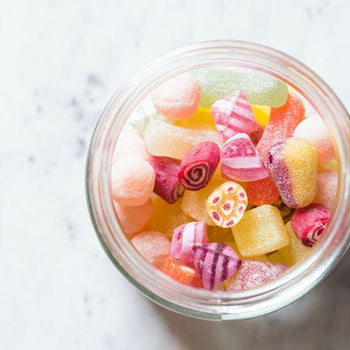
Sweet & Sour Candy Delights Recipe (Chewy, Fizzy & Irresistible)
Sweet. Tangy. A little fizzy on the tongue. That first bite of sweet and sour candy hits with bright citrus notes before melting into sugary bliss. If you’ve ever wondered how to recreate that balanced flavor explosion at home, this Sweet & Sour Candy Delights recipe is exactly what you’re looking for.
This guide walks you through everything — ingredients, techniques, flavor science, texture control, storage tips, and creative variations — so your homemade candy turns out chewy, glossy, and perfectly balanced every time.
Why Sweet & Sour Candy Is So Addictive
Sweet and sour candies work because they activate multiple taste receptors at once:
-
Sugar stimulates sweetness receptors.
-
Citric and malic acids trigger tartness.
-
A slight powdered sour coating adds instant zing.
-
Chewy texture prolongs flavor release.
That layered sensory experience keeps people reaching for one more piece.
The secret to success? Proper acid balance and controlled sugar cooking temperature.
INGREDIENTS
Candy:
- 2 cups granulated sugar
- 2⁄3 cup light corn syrup
- ¾ cup water
- 2-4 drops (subjective) OOOFlavors Lemon Lime MCT Oil Flavoring
- 6 to 8 drops Yellow Liquid Food Coloring
- 1-3 drops (subjective) OOOFlavors Citric Acid Flavoring
Coating:
- ½ cup fine sugar (or granulated sugar pulsed a few times in a food processor)
- 1-3 drops (subjective) OOOFlavors Citric Acid Flavoring
Equipment:
Candy Thermometer
DIRECTIONS
1. Line a cookie sheet/jelly roll pan with foil and lightly oil or spray with non-stick
cooking spray, such as PAM®.
2. In a 2-quart saucepan, mix together sugar, corn syrup, and water. Stir over
medium heat until sugar dissolves.
3. Insert candy thermometer, making certain it does not touch the bottom of the
pan. Bring mixture to a boil without stirring.
4. Early in the cooking process, “wash down” any sugar crystals that form on the
sides of the pan with a wet pastry brush.
5. Continue to cook the syrup without stirring. Remove from heat precisely at
298°F.
6. Cool mixture to 265°F, then stir in the Yellow Liquid Food Coloring,
OOOFlavors Lemon Lime MCT Oil Flavoring, and OOOFlavors Citric
Acid Flavoring.
7. Carefully pour hot syrup onto the prepared cookie sheet. As the sugar mixture
begins to set, score bite-sized squares with a large knife. (If candy has
hardened too much, place in a 185°F oven for a few minutes to soften.) Once
candy is completely cool, cover scored slab with a piece of wax paper and
use the heel of a large knife to break into pieces.
8. In a small bowl, stir together coating ingredients. Toss lemon drops in coating
and shake off excess. Store candy in an airtight container in a cool, dry place.
Do not refrigerate.
Note: Before making candy, it’s always a good idea to test the accuracy of your
thermometer. To do this, fill a pot of water and clip on the thermometer. Bring the water to a boil. At sea level, water boils at 212°F; if the reading on your thermometer is higher or lower, take the difference into account when testing the temperature of your sugar syrup. Have all ingredients and tools assembled and within easy reach of the stove. Metal spoons and measuring utensils are recommended.
Understanding Sweet vs Sour Balance
The key to perfect sweet and sour candy is acid ratio.
-
Citric acid gives sharp citrus tartness.
-
Malic acid delivers longer-lasting sourness (common in green apple candy).
-
Too much acid = harsh bitterness.
-
Too little acid = flat sweetness.
Ideal starting ratio:
-
1 teaspoon citric acid per cup of sugar
-
½ teaspoon malic acid for depth
You can adjust based on preference.
Texture Variations You Can Try
1️, Chewy Gummies (Classic Store-Style Bite)
Chewy gummies are the most popular texture because they hold shape well, stay moist, and release flavor slowly as you chew.
How to Adjust:
-
Increase gelatin by ½ to 1 teaspoon per batch.
-
Cook sugar syrup to 240°F (soft-ball stage).
-
Let candies cure uncovered for 12–24 hours before coating.
Pro Texture Tip:
If gummies feel too soft after setting, allow them to air-dry on parchment for an extra day. This evaporates excess moisture and improves chewiness.
Ideal For:
-
Sour patch–style candies
-
Party favors
-
Layered or dual-color gummies
Common Mistake:
Too much gelatin can create a rubbery texture. Increase gradually.
2️⃣ Soft Jellies (Tender & Melt-in-the-Mouth)
Soft jellies are slightly more delicate and less elastic. They feel smoother and dissolve faster on the tongue.
How to Adjust:
-
Reduce cooking temperature to 235°F.
-
Use standard gelatin amount (don’t increase).
-
Add 1 extra tablespoon of water to base mixture for softness.
Optional Upgrade:
Lightly coat in superfine sugar instead of granulated sugar for a smoother finish.
Ideal For:
-
Fruit cube candies
-
Elegant dessert garnishes
-
Kids who prefer milder chew
Storage Tip:
Soft jellies are more sensitive to humidity. Store in airtight container with silica packet (food safe) if needed.
3️⃣ Hard Sour Drops (Long-Lasting Tang)
Hard candy drops deliver intense flavor that lasts longer because there’s no gelatin. The sugar is cooked to a higher temperature, creating a brittle structure.
How to Adjust:
-
Skip gelatin completely.
-
Cook sugar mixture to 300°F (hard crack stage).
-
Add citric acid and flavoring after removing from heat (when mixture cools slightly to about 260°F).
Important:
If acid is added at full 300°F heat, it can degrade and reduce sour intensity.
Ideal For:
-
Lollipop-style candies
-
Long-lasting sour treats
-
Crushed candy toppings
Pro Tip:
Pour onto silicone mat and score lines lightly before fully hardening for easy breaking.
4️⃣ Extra-Bouncy Gummy (Professional Candy Texture)
If you want that elastic, commercial-style stretch:
How to Adjust:
-
Replace 25% of water with glucose syrup.
-
Increase gelatin slightly.
-
Cure gummies for 48 hours before coating.
This creates:
-
Better shelf stability
-
Improved chew resistance
-
Longer flavor release
5️⃣ Sour-Filled Center Gummies
For advanced candy makers who want surprise flavor bursts:
How to Do It:
-
Make two batches: one regular, one ultra-sour liquid center.
-
Pour half mold, allow partial set.
-
Add small drop of sour syrup center.
-
Cover with remaining mixture.
Result:
Balanced sweetness outside, intense sour core inside.
6️⃣ Sugar-Free or Reduced Sugar Texture Adjustment
If experimenting with sugar substitutes:
-
Expect softer structure.
-
You may need extra gelatin.
-
Texture may be less glossy.
Sugar plays a structural role, not just sweetness — so full replacement changes consistency.
Quick Texture Comparison Guide
|
Texture Type |
Cooking Temp |
Gelatin |
Bite Feel |
Best For |
|
Chewy Gummies |
240°F |
Slightly Increased |
Firm & Bouncy |
Classic gummies |
|
Soft Jellies |
235°F |
Standard |
Tender & Smooth |
Fruit cubes |
|
Hard Drops |
300°F |
None |
Crunchy & Brittle |
Sour candy lovers |
|
Extra-Bouncy |
240°F |
Increased + Glucose |
Elastic |
Pro-style candy |
How Humidity Affects Texture
-
Humidity is the Main Cause: Humidity plays a major role in candy texture. When the air contains too much moisture, your homemade candy absorbs it easily, causing the surface to become soft, sticky, and less appealing.
-
High Humidity = Sweating Candy: In humid conditions, candy tends to “sweat,” forming a wet or glossy layer on the outside. This not only affects appearance but also makes handling and storing more difficult.
-
Set Candy in a Dry Environment: Always allow your candy to set in a cool, dry space. Proper airflow and low humidity help maintain a firm texture and prevent unwanted stickiness.
-
Avoid Refrigeration: Refrigerating candy might seem helpful, but it often causes condensation when brought back to room temperature, making the surface even stickier.
Fixing Melted Coating: If your candy coating starts to melt or feel tacky, simply re-roll the pieces in a fresh mix of sugar and citric acid to restore texture and flavor.
Re-roll candies in fresh sugar + citric acid mixture.
Final Texture Control Advice
-
Too Sticky: If your candy turns out sticky, it usually means the cooking temperature was slightly too low. Next time, cook the mixture a bit higher to remove more moisture and achieve a firmer, cleaner finish.
-
Too Hard: Candy that becomes too hard is often overcooked. Reduce the temperature by 5–10 degrees in your next batch to keep the texture softer and more enjoyable without losing structure.
-
Too Rubbery: A rubbery texture typically comes from using too much gelatin. Try reducing the amount slightly to create a more balanced, tender bite.
-
Not Sour Enough: If the flavor lacks a tangy kick, increase the ratio of your sour coating. A small boost in citric acid or sour sugar can significantly improve taste.
-
Small Changes Matter: Perfecting candy texture is all about precision. Even a 5°F adjustment or a ½ teaspoon change can make a noticeable difference in your final result.
Popular Flavor Combinations
These flavor profiles perform exceptionally well:
-
Cherry Lime
-
Blue Raspberry Lemon
-
Watermelon Sour Patch style
-
Pineapple Mango
-
Green Apple Blast
-
Strawberry Kiwi
Blending sweet fruit with citrus acid creates the most dynamic taste.
Pro Tips for Professional Results
1. Use a Candy Thermometer
Why It Matters: Sugar stages determine final texture — soft, chewy, or hard crack.
Professional Insight:
-
Soft candy: 235–245°F (113–118°C)
-
Hard candy: 300–310°F (149–154°C)
Even a 5° difference can change texture completely. Always calibrate your thermometer before production.
2. Add Acids After Cooking
Why It Matters: High heat degrades citric and malic acids, reducing sour impact.
Professional Insight:
-
Remove syrup from heat first.
-
Let it cool slightly (below 250°F / 121°C).
-
Then add acid and flavoring.
This preserves brightness and prevents bitterness.
3. Let Candy Cure
Why It Matters: Curing improves chewiness, elasticity, and flavor depth.
Professional Insight:
-
Air-dry gummies 12–24 hours at room temperature.
-
Use low humidity (under 50%).
-
Avoid refrigeration during curing — it causes sweating and stickiness.
This step dramatically improves texture stability.
4. Store Properly
Why It Matters: Moisture is candy’s biggest enemy.
Professional Insight:
-
Use airtight containers.
-
Layer with parchment paper.
-
Store at 60–70°F (15–21°C).
-
Add food-safe desiccant packs for commercial batches.
Proper storage extends shelf life and preserves texture.
Nutritional Overview (Approximate per Piece)
-
Calories: 35–45
-
Carbs: 8–10g
-
Fat: 0g
-
Protein: 0g
Since this is homemade, you control sugar levels and portion size.
How to Make Them Look Store-Bought
For glossy finish:
-
Lightly brush with neutral oil.
-
Or tumble briefly in a sugar tumbler.
For layered colors:
-
Pour first layer, let partially set, add second layer.
For striped candies:
-
Divide mixture into batches before pouring.
Common Mistakes to Avoid
❌ Adding Acid During High Heat
Adding citric or malic acid while the syrup is still boiling weakens the sour intensity and can break down the acid. Always remove the mixture from heat and let it cool slightly before stirring in acids. This preserves the sharp, tangy flavor and prevents bitterness.
❌ Skipping Gelatin Blooming
Failing to bloom gelatin properly results in grainy texture and poor setting. Always sprinkle gelatin over cold water or juice and let it sit 5–10 minutes before heating. Proper blooming ensures smooth texture, elasticity, and professional chew consistency.
❌ Overcooking the Syrup
Cooking the sugar syrup beyond the correct temperature (usually 230–240°F / 110–115°C for gummies) can make candies too hard instead of chewy. Use a candy thermometer for accuracy and remove from heat immediately once target temperature is reached.
❌ Storing in Humid Areas
Humidity is the biggest enemy of sour coatings. Moisture dissolves the acid-sugar coating, causing stickiness and clumping. Store gummies in an airtight container with parchment layers in a cool, dry place (ideally below 50% humidity).
❌ Skipping the Curing Process
Fresh gummies may feel too soft or sticky. Let them air-dry for 12–24 hours at room temperature before coating or packaging. Proper curing improves chewiness and helps sour sugar adhere better.
❌ Using Too Much Acid
Overloading citric or malic acid can create an unpleasant, harsh sourness and may irritate the mouth. Start with 1–2% of total batch weight and adjust gradually for balanced flavor.
❌ Not Controlling pH Balance
If the mixture becomes too acidic before setting, gelatin may weaken and fail to firm properly. Always add acids after cooking and avoid exceeding recommended ratios.
❌ Poor Mold Preparation
Not lightly greasing molds (or dusting starch molds properly) can cause sticking and tearing. Silicone molds work best for easy release and clean shape.
❌ Inaccurate Ingredient Measurement
Eyeballing sugar, gelatin, or liquid ratios often leads to inconsistent texture. Use a digital scale for precise measurements, especially for commercial or repeat batches.
Why Homemade Sweet & Sour Candy Is Worth It
Store-bought candy often contains artificial stabilizers and excessive acidity that overpowers flavor.
Making it at home gives you:
-
Controlled sour intensity
-
Cleaner flavor profiles
-
Customizable shapes
-
Better texture
And when using high-quality powdered flavor blends — such as fruit concentrates commonly used by DIY candy makers — you get vibrant flavor without artificial aftertaste.
OOOFlavors’ powdered fruit flavor options, for example, are often used in baking and confectionery applications because they disperse evenly in sugar-based recipes.
This Sweet & Sour Candy Delights recipe combines science and creativity. When you balance sugar temperature, gelatin strength, and acid ratio properly, the result is chewy, vibrant, mouth-watering candy that rivals store brands.
Whether you prefer subtle tang or extreme sour shock, this method gives you full control.
Try experimenting with bold fruit combinations, adjust sour coating strength, and enjoy the satisfaction of crafting your own irresistible sweet and sour treats at home.
Frequently Asked Questions:
1. How can I make sweet and sour candy at home?
To make sweet and sour candy at home, cook sugar, corn syrup, and water to 240°F (soft-ball stage), then mix in bloomed gelatin. After slightly cooling, add citric acid, optional malic acid, and fruit flavoring. Pour into molds, let set for several hours, then coat in sugar mixed with citric acid for the sour finish.
The key is balancing sweetness and acidity while cooking at the correct temperature.
2. What makes candy taste sour?
Candy tastes sour because of food-grade acids such as:
-
Citric acid – sharp, quick sour hit
-
Malic acid – longer-lasting tartness
-
Tartaric acid – intense and sharp
These acids stimulate sour taste receptors on your tongue. The higher the concentration, the more intense the sour effect.
3. What is the difference between citric acid and malic acid in candy?
Citric acid delivers an immediate, bright citrus-like sourness. Malic acid creates a smoother but longer-lasting tart flavor, commonly found in green apple candies.
Many sweet and sour recipes combine both for a layered sour effect.
4. Why is my homemade sour candy not sour enough?
Common reasons include:
-
Adding acid during high heat (reduces potency)
-
Using too little citric or malic acid
-
Not adding a sour sugar coating
For stronger tartness, add acid after cooking and increase sour coating slightly.
5. Why is my candy too sticky?
Sticky candy is usually caused by:
-
Undercooking the sugar syrup
-
High humidity during setting
-
Improper storage
Cook to the correct temperature and store in airtight containers away from moisture.
6. Can I make sweet and sour candy without gelatin?
Yes. For hard sour candy, cook sugar syrup to 300°F (hard crack stage) and skip gelatin entirely. The result will be crunchy rather than chewy.
For vegan chewy candy, agar agar can replace gelatin, but texture may differ slightly.
7. Why does sour candy burn your tongue?
Extremely sour candy contains high levels of acid. Acid temporarily irritates taste receptors, creating a tingling or burning sensation. Moderation is important when increasing sour intensity.
8. How can I make my candy more sour without ruining texture?
The safest way is to increase sour coating rather than adding too much acid to the base mixture. This keeps texture stable while boosting tartness.
9. Can I reduce the sugar in sweet and sour candy?
Sugar plays both a sweetness and structural role. Reducing it significantly can affect texture and firmness. Partial substitution may work, but full replacement often changes consistency.
10. Can I use natural flavors for sweet and sour candy?
Yes. Powdered or concentrated fruit flavors work very well in sugar-based candy recipes because they blend evenly and provide strong taste without adding excess liquid.
High-quality powdered flavoring options, such as fruit blends commonly used by home confectioners and available from suppliers like OOOFlavors, can enhance intensity without affecting texture.