Nutty Brittle Recipe (Crispy, Buttery & Perfectly Crunchy Every Time)
If you’re craving a sweet treat that’s crisp, caramelized, and packed with roasted nut flavor, this nutty brittle recipe is exactly what you need. Nut brittle is one of those classic homemade candies that looks impressive but is surprisingly simple when you understand the process.
Whether you’re making it for the holidays, gifting jars to friends, or adding crunchy candy shards to desserts, this guide walks you through everything — ingredients, temperature control, pro tips, flavor variations, storage, and troubleshooting.
Let’s make a batch of perfectly golden, snappy brittle.
What Is Nutty Brittle?
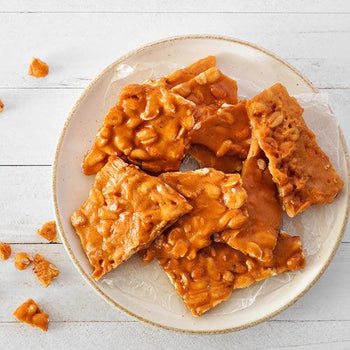
Nut brittle is a thin sheet of caramelized sugar mixed with nuts, cooked to the hard crack stage (about 300°F / 150°C), then spread thin and cooled until crisp. When broken into pieces, it creates that signature crunchy texture with glossy caramel and toasted nut flavor.
Traditional versions often use peanuts, but almonds, pecans, cashews, pistachios, or mixed nuts work beautifully.
The magic of brittle lies in:
-
Proper sugar caramelization
-
Correct cooking temperature
-
Thin spreading
-
Baking soda for lightness and snap
INGREDIENTS
- 1 ½ cups raw peanuts
- 1 cup granulated sugar
- 1 tbsp butter
- 1 tsp baking soda
- ½ cup light corn syrup
- ¼ tsp salt
- 2-4 drops (subjective) OOOFlavors Vanilla Flavoring
DIRECTIONS
- Mix peanuts, corn syrup, sugar, salt and OOOFlavors Vanilla Flavoring in a large
- glass bowl.
- Cook in microwave on high for 5 minutes.
- Stir and turn bowl.
- Cook for an additional 4 minutes.
- Cook for a final 3 ½ minutes.
- Add baking soda and stir until frothy.
- Pour on a prepared cookie sheet immediately.
- Let cool and break into pieces.
Pro Tips for Perfect Brittle
-
Use a Candy Thermometer: Temperature accuracy is everything. Cook syrup to about 300°F (hard crack stage). Undercooked brittle turns chewy, while overcooked develops a burnt, bitter taste.
-
Don’t Stir After Boiling Begins: Stirring once it boils can trigger sugar crystallization. Instead, gently swirl the pan if needed for even cooking.
-
Work Fast at the End: After adding baking soda, the mixture foams quickly. Immediately pour and spread thinly before it hardens.
-
Toast Raw Nuts First: Toast nuts at 350°F for 8–10 minutes to enhance flavor and crunch.
-
Prepare Your Surface Early: Line a tray with parchment or a silicone mat before cooking. Brittle sets fast, so preparation prevents panic.
-
Store Properly: Keep in an airtight container with silica or parchment layers to maintain crispness and prevent moisture softening.
Best Nuts for Nutty Brittle
1. Peanut Brittle (Classic)
Traditional, nostalgic, and perfectly salty-sweet. Peanuts create the ideal crunch and are budget-friendly for large batches. Lightly salted roasted peanuts give the best flavor balance and strong caramel contrast.
2. Almond Brittle
More refined with a slightly buttery flavor. Sliced or whole almonds both work well. Almond brittle feels more premium, making it great for gifting and specialty packaging.
3. Pecan Brittle
Rich, slightly soft crunch with deep caramel notes. Perfect for fall desserts and pairs beautifully with cinnamon or maple flavor additions.
4. Mixed Nut Brittle
A combination of peanuts, almonds, cashews, and pecans adds layered texture and visual appeal. Ideal for holiday tins and gourmet assortments.
Pro Tip: Chop larger nuts evenly for uniform cooking and spread them thinly to achieve that perfect crisp snap.
Flavor Variations (Modern Twists)
If you want to elevate your brittle and give it a gourmet feel, these modern upgrades add depth and premium appeal:
-
Chocolate Drizzle Brittle – Melt dark chocolate and drizzle over fully cooled brittle. Let it set completely before breaking to avoid smearing. For extra indulgence, use 70% cocoa.
-
Spicy Brittle – Add ¼ teaspoon cayenne or chili flakes during the final minute of cooking. Heat enhances sweetness and creates a bold sweet-spicy contrast.
-
Sea Salt Brittle – Sprinkle flaky sea salt just before the brittle fully sets. This boosts caramel flavor and gives a trendy artisan finish.
-
Espresso Brittle – Add a pinch of espresso powder to intensify caramel depth without overpowering sweetness.
-
Maple Brittle – Replace part of the sugar with maple sugar or a small amount of pure maple syrup for warm, autumn-style flavor.
Pro Tip: Always test small batches when adjusting flavors to maintain proper hard-crack texture and balance.
Common Mistakes & How to Fix Them
1. Brittle Is Sticky
Cause: Didn’t reach 300°F (hard crack stage).
Fix: Reheat gently until it reaches the proper temperature. Use a reliable candy thermometer and avoid guessing.
2. Brittle Tastes Burnt
Cause: Heat too high or cooked past 310°F.
Fix: Use medium, steady heat. Remove from the stove immediately once it hits 300°F since temperature continues rising slightly.
3. Brittle Is Too Thick
Cause: Didn’t spread quickly after adding baking soda.
Fix: Work fast and spread thin using a lightly greased or warm spatula.
4. Sugar Crystallized
Cause: Stirring after boiling began or sugar crystals on pan sides.
Fix: Unfortunately, start over. To prevent this, brush pan sides with water using a pastry brush.
5. Brittle Turns Soft Later
Cause: Humidity or improper storage.
Fix: Store in airtight containers with parchment layers and keep in a cool, dry place.
6. Nuts Sink to Bottom
Cause: Added too early or mixture too thin.
Fix: Add nuts once syrup thickens for even distribution and better crunch.
Storage Tips
-
Store in an airtight container.
-
Keep at room temperature.
-
Avoid humidity.
-
Add a silica packet if gifting in humid climates.
Properly stored brittle lasts 2–3 weeks.
Never refrigerate — it attracts moisture and turns sticky.
How to Use Nutty Brittle Beyond Snacking
Nut brittle isn’t just candy — it’s a dessert upgrade.
Try it:
-
Crushed over vanilla ice cream
-
Mixed into cookie dough
-
Layered in trifles
-
As a cheesecake topping
-
In chocolate bark
Crushed brittle adds texture contrast and caramel complexity.
Is Nutty Brittle Gluten-Free?
Yes — traditional brittle is naturally gluten-free.
Always check:
-
Corn syrup label
-
Flavor extracts
-
Cross-contamination warnings
Can I Make Brittle Without Corn Syrup?
Yes, you can make brittle without corn syrup, but the texture and flavor may slightly change. Corn syrup mainly helps prevent sugar crystallization and gives a smoother, more reliable snap.
Substitutes include:
-
Honey – Adds floral sweetness and slightly softer crunch.
-
Maple Syrup – Gives warm, rich flavor but may darken faster.
-
Golden Syrup – Closest substitute for similar texture and stability.
Important Tips:
-
Cook carefully to the full 300°F hard crack stage.
-
Avoid stirring once boiling begins.
-
Add 1–2 teaspoons lemon juice or vinegar to help reduce crystallization risk.
Without corn syrup, humidity control becomes even more important for maintaining crispness.
Health & Nutrition Overview
Nut brittle is candy — it’s indulgent. But nuts add:
-
Healthy fats
-
Plant protein
-
Magnesium
-
Vitamin E
Enjoy in moderation as part of a balanced lifestyle.
Final Thoughts
A great nutty brittle recipe is all about temperature control, speed, and balance. Once you master the hard crack stage and thin spreading technique, you’ll be able to customize flavors endlessly.
Whether you keep it classic with peanuts or experiment with almond, pecan, or modern flavor infusions, homemade brittle delivers unbeatable crunch and rich caramel depth.
And if you enjoy exploring flavor creativity in baking and confectionery, high-quality concentrated extracts — like those from OOOFlavors — can help you experiment with unique nut-inspired profiles while keeping texture intact.
Frequently Asked Questions About Nutty Brittle
1. What temperature is the hard crack stage for nut brittle?
The hard crack stage for a nutty brittle recipe is 300°F to 305°F (150°C). This temperature ensures the sugar fully caramelizes and sets into a crisp, snappy texture when cooled. For best results, always use a candy thermometer to avoid undercooking (chewy brittle) or overcooking (burnt flavor).
2. Why do you add baking soda to brittle?
Baking soda is added at the end of cooking to create tiny air bubbles in the caramelized sugar. These bubbles make homemade nut brittle lighter, crispier, and easier to bite. Without baking soda, brittle can turn out dense and overly hard.
3. Can I make the nut brittle without a candy thermometer?
Yes, you can make a nut brittle without a thermometer, but it requires careful attention. To test manually, drop a small amount of the hot syrup into cold water. If it forms hard, brittle threads that snap immediately, it has reached the hard crack stage. However, using a thermometer gives more reliable results, especially for beginners.
4. How do I keep nut brittle from sticking?
To prevent nut brittle from sticking:
-
Line your baking sheet with parchment paper or a silicone baking mat.
-
Lightly grease your spatula before spreading.
-
Avoid humid environments, as moisture can make brittle sticky.
Proper storage in an airtight container also helps maintain crispness.
5. Can I use raw nuts in a nutty brittle recipe?
Yes, you can use raw nuts, but toasting them first enhances flavor and texture. Toast nuts in the oven at 350°F for 8–10 minutes until lightly golden and fragrant. Roasted nuts create a deeper, richer taste in your homemade brittle.
6. How long does homemade nut brittle last?
Homemade nut brittle stays fresh for 2 to 3 weeks when stored in an airtight container at room temperature. Keep it in a cool, dry place away from humidity. Do not refrigerate, as moisture can cause it to become sticky.
7. Why is my nut brittle chewy instead of crunchy?
If your nut brittle turns out chewy, it likely didn’t reach the hard crack stage (300°F). Undercooked sugar retains moisture, preventing it from setting properly. Reheating the mixture gently to the correct temperature can sometimes fix the issue.